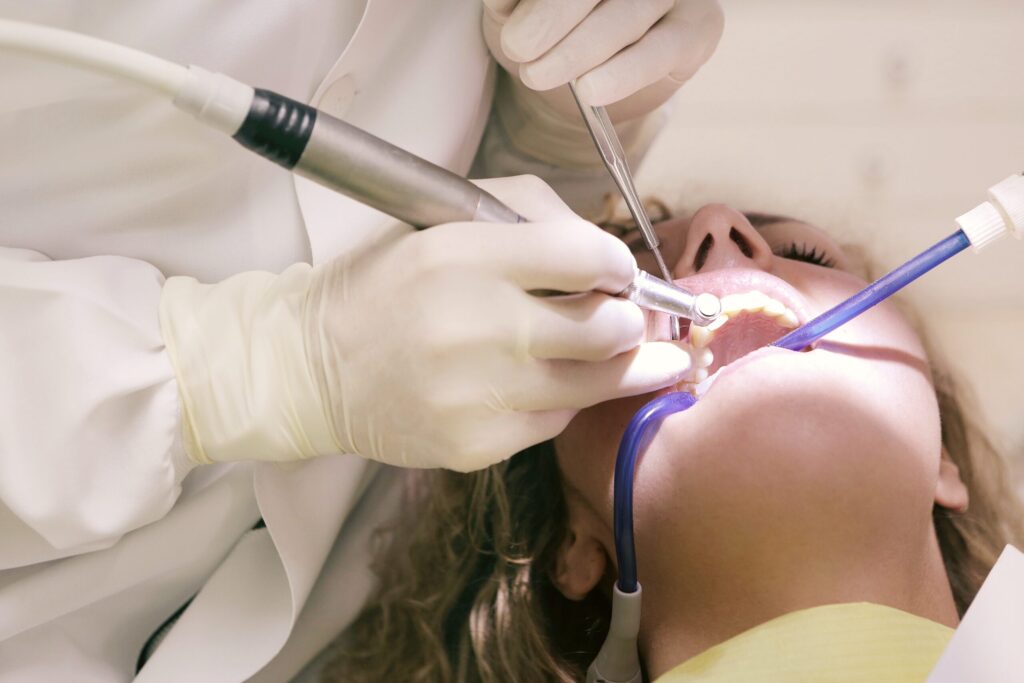

Dental crown restoration illustration from Bakersfield Smile Design
Source image from Bakersfield Smile Design; illustrative, not a patient case.

Are Dental Crowns Bad for Your Health? Benefits, Limits & Risks

Quick answer: A crown is not inherently “bad” or right for every tooth. It can cover and help protect a tooth for specific reasons, but the treatment involves clinical trade-offs. Ask the dentist to explain the diagnosis, alternatives, and risks for your tooth.

Patient education · Editorial team · Reviewed 2026-10-15 · No clinician review is claimed.

Why a dentist may recommend a crown

The ADA describes crowns as a way to restore shape, cover a weak or broken tooth, strengthen a tooth with extensive damage, or cover an implant. The recommendation should connect to a specific finding in your mouth.

Ask about preparation and alternatives

Ask how much tooth structure needs preparation, what materials are available, whether a filling or other restoration could work, and what could happen if you delay. The answer depends on the examination, bite, and remaining tooth.

Care after placement

A crown does not eliminate the need for cleaning or checkups. Ask how to care for the margin, what symptoms merit a call, and what risks apply if you clench or grind.

Frequently asked questions

Can a crown cause a problem?

Any dental treatment has potential risks. Ask the clinician to discuss risks specific to your tooth and medical history.

Can a crowned tooth still get decay?

The crown does not remove the need to clean around its edges and monitor the underlying tooth.

Should I get a second opinion?

If you are unsure about a major treatment plan, ask for records and consider another licensed dentist’s assessment.

Related guides and source

Dental crown uses

Crown options in Bakersfield

Crown cost guide

Clinical source: ADA MouthHealthy. General information only; ask a licensed dentist about your circumstances.