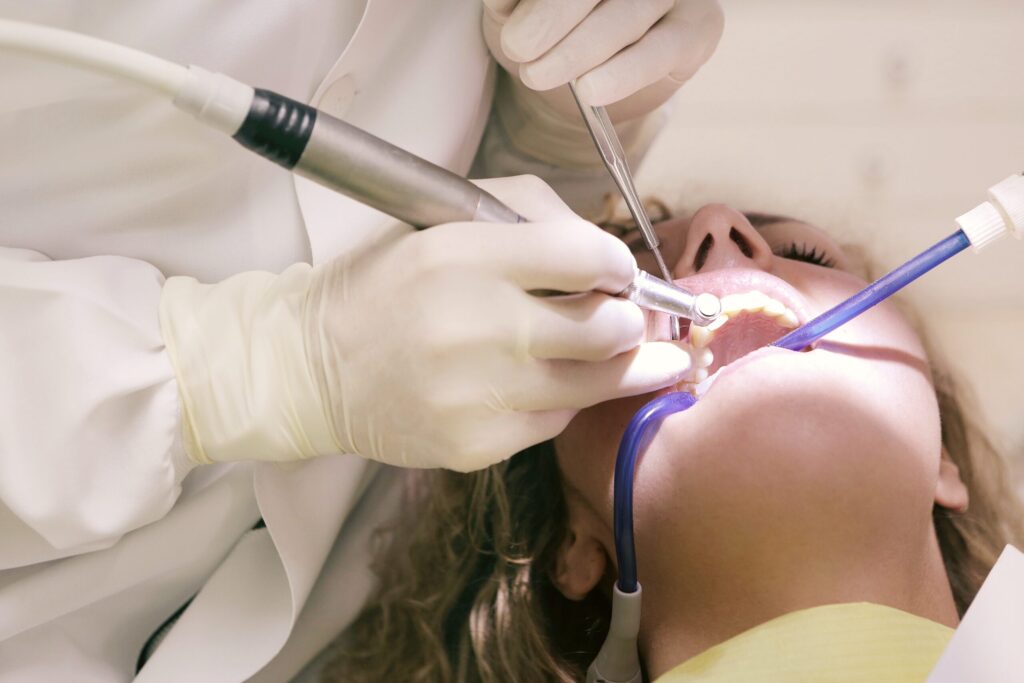

Are Crowns Bad for Your Teeth? What to Ask Before Treatment
Quick answer: Crowns are used to cover and restore teeth in particular situations, not as a routine treatment for every tooth. A dentist should explain why your tooth needs a crown, what alternatives exist, and what preparation means for your tooth.
Patient education · Editorial team · Reviewed 2026-10-15 · No clinician review is claimed.
Understand the reason for the crown
A crown may be recommended for a weak, broken, extensively filled, or otherwise damaged tooth. Ask the dentist to show you the finding, describe what the crown is expected to do, and explain likely outcomes with other options.
Know the trade-offs
Crown placement usually requires shaping the tooth and selecting a material. Ask how much preparation is needed, how the tooth will be protected, and how the crown’s fit and bite will be checked.
Protect the tooth afterward
Brush and clean between teeth around the crown, attend follow-up visits, and ask about grinding protection if relevant. Contact a dentist if the crown loosens, cracks, hurts, or changes your bite.
Frequently asked questions
Does getting a crown weaken a tooth?
Preparation removes some tooth structure, while the crown may help cover and protect the remaining tooth. Ask how that trade-off applies to your tooth.
Can I choose a filling instead?
That depends on the damage and remaining tooth structure; ask the clinician to compare options.
Can a crown stop all future tooth problems?
No. Continued oral care and monitoring are still needed.
Related guides and source
Clinical source: ADA MouthHealthy. General information only; ask a licensed dentist about your circumstances.
