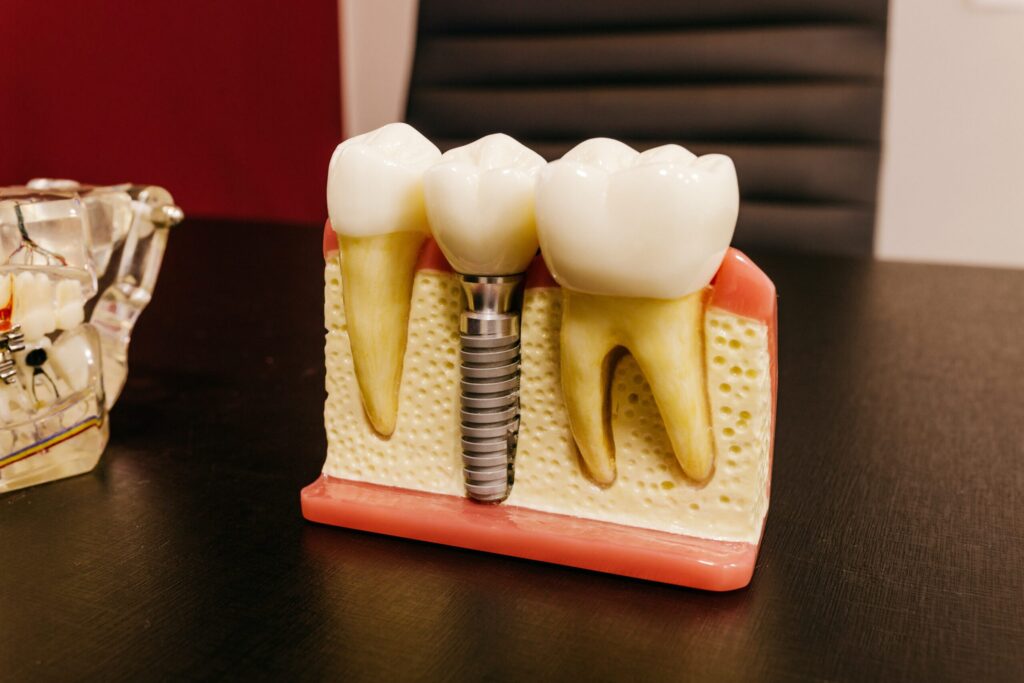

Dental implant treatment illustration from Bakersfield Smile Design
Editorial patient-education photo; not a local practice.

Are Dental Implants Tax Deductible? IRS Medical Expense Rules

Quick answer: IRS Publication 502 lists artificial teeth and dental treatment among medical expenses that may qualify under its rules. Whether your implant expense is deductible depends on the tax year, purpose, reimbursement, itemizing, and the 7.5% AGI threshold.

Editorial information · Editorial team · Reviewed 2026-10-15.

Review current IRS guidance

Publication 502 explains that eligible medical and dental expenses are generally deductible on Schedule A only to the extent they exceed 7.5% of adjusted gross income. The publication identifies artificial teeth and dental treatment; your exact procedure and records matter.

Subtract reimbursement and other payments

Do not claim an expense paid or reimbursed by insurance or another source as though you paid it yourself. Keep receipts, treatment plans, and proof of payment.

Confirm before filing

Tax rules and individual situations differ. Review the current IRS publication for the applicable tax year and ask a qualified tax professional if the treatment purpose or eligibility is unclear.

Frequently asked questions

Does every implant qualify?

Do not assume so. Eligibility depends on the IRS rules and the specific expense and circumstances.

Can I deduct the full invoice?

Usually not automatically; reimbursement and the AGI threshold may affect the amount.

Is this tax advice?

No. Use IRS guidance or a qualified tax professional for your return.

Related guides and source

IRS Publication 502

IRS Interactive Tax Assistant

Implant cost guide

Primary source: Internal Revenue Service. Tax and insurance details vary; confirm your specific situation with the relevant agency or plan.